Digital Love Letters vs Handwritten Letters: Which Feels More Meaningful?
Does a screen or a page carry more romantic weight? We present the strongest case for both, separate evidence from opinion, and offer a practical framework for choosing your medium.
Couples have debated the weight of ink versus pixel for decades, but the question is less about nostalgia and more about context. A love letter is a bid for connection, and the medium you choose shapes how that bid is received. Rather than declare a universal winner, we will present the strongest case for each format, separate what research supports from what culture assumes, and close with a repeatable ritual you can start tonight.
The Case for Digital Love Letters
Personalized digital gift
Turn the inspiration from the post into an unforgettable surprise
Build a page with photos, message, music, and a ready-to-share link for someone you love.
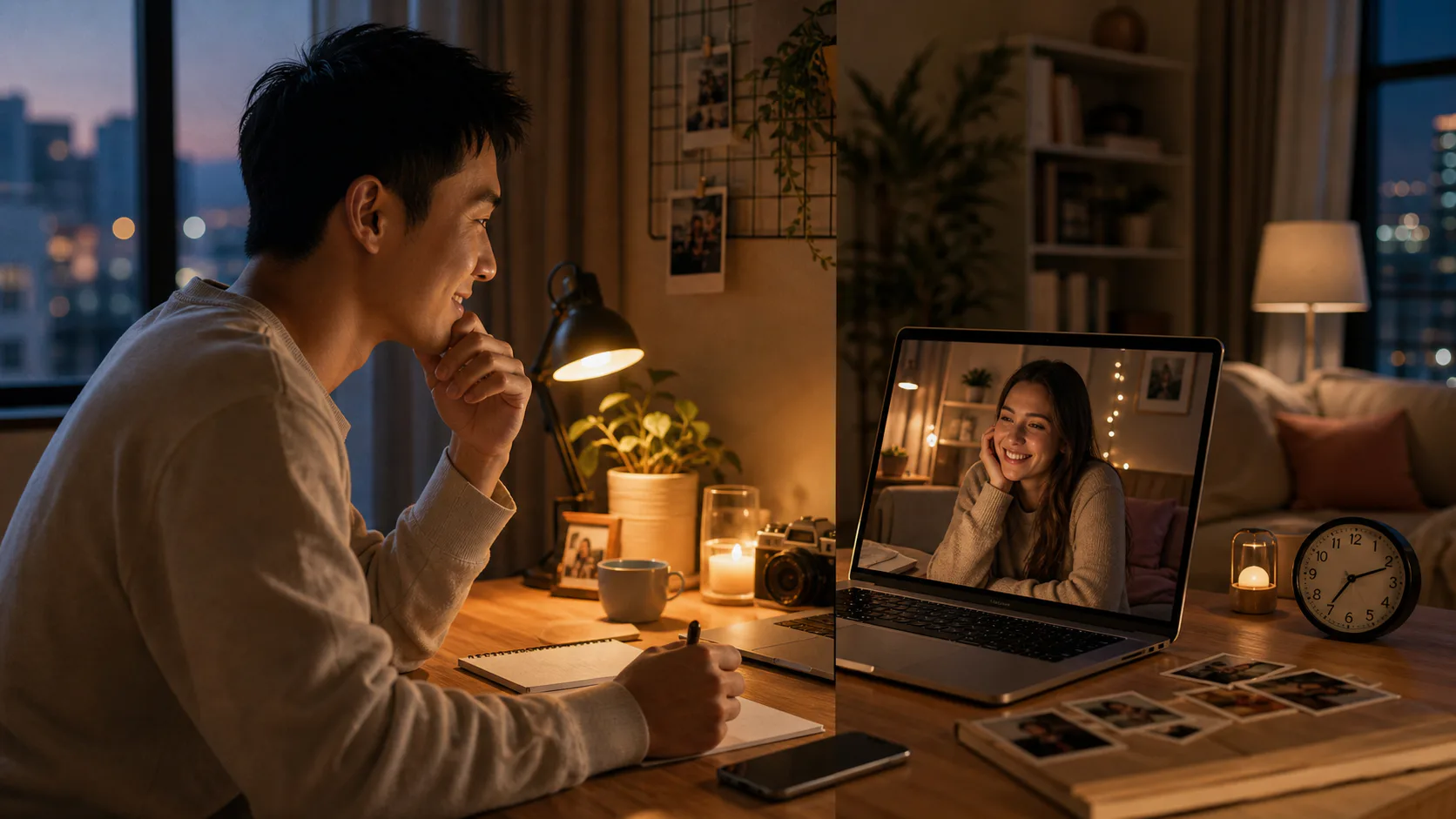
Immediate presence across time zones: a voice note at 2 a.m. says 'I’m thinking of you right now,' not yesterday.
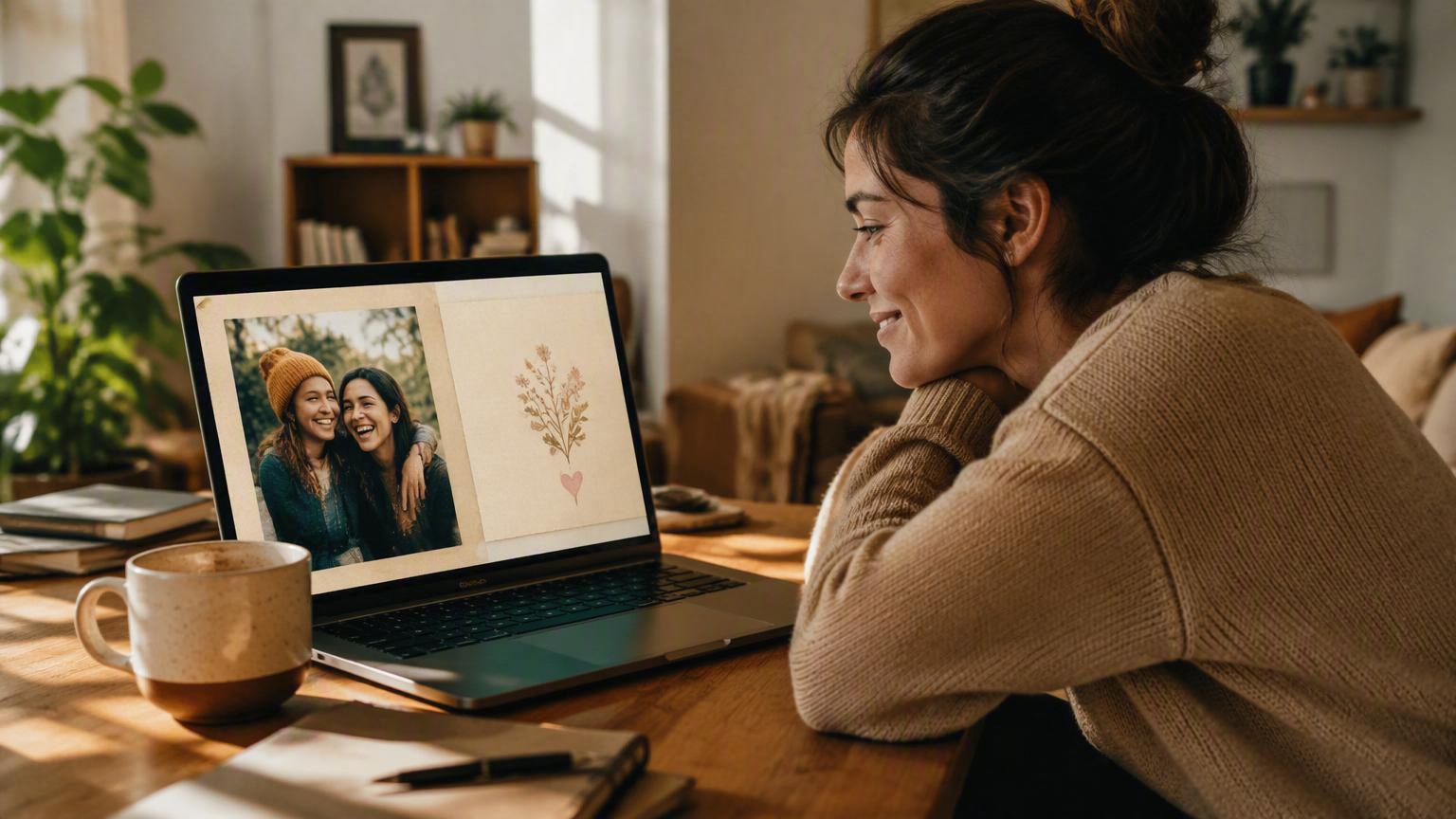
Layered media: pair text with a photo, a voice memo, or a playlist link to recreate a shared moment.
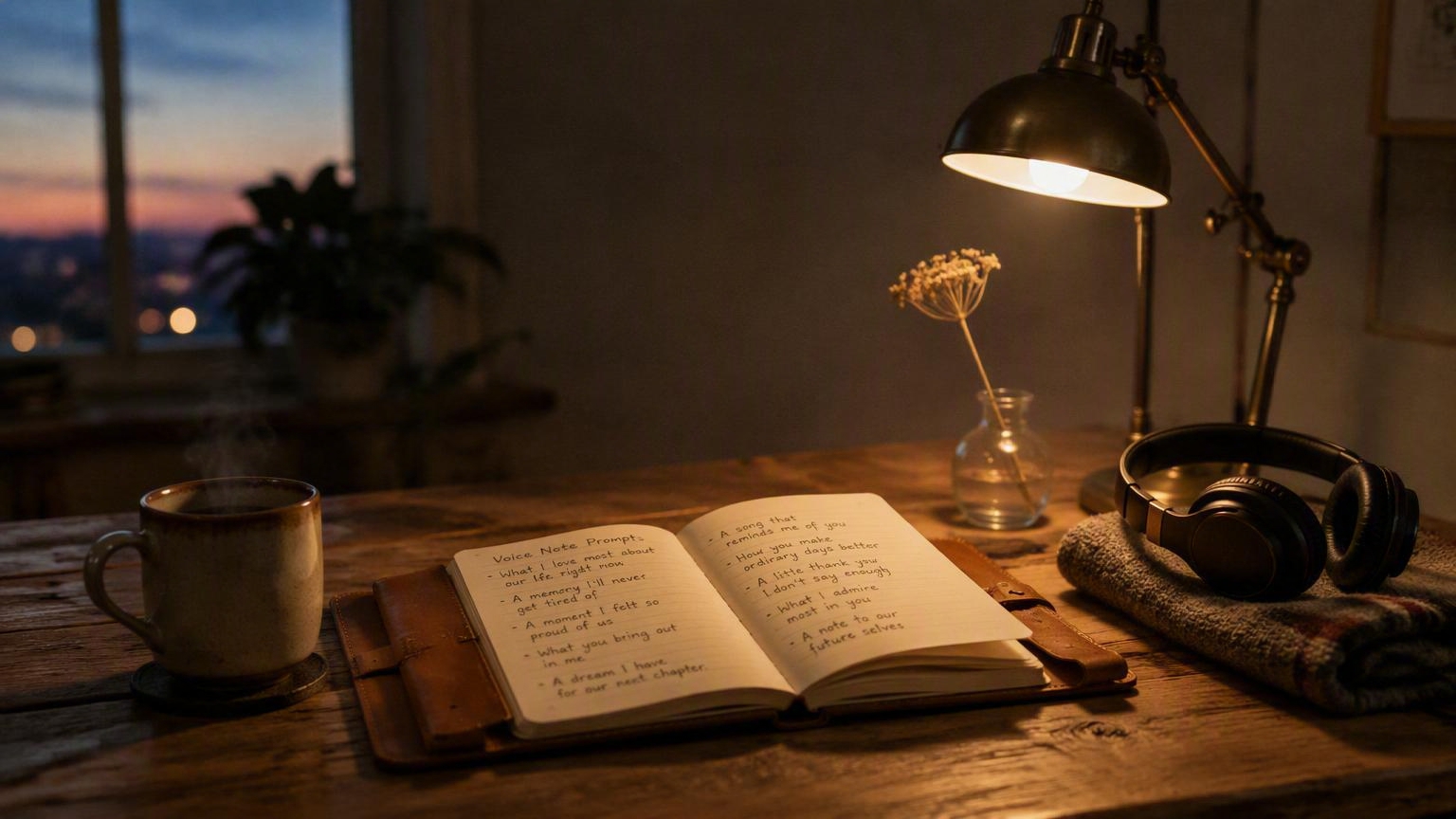
Repeatable ritual: set a weekly alarm to record a two-minute voice note and paste a written paragraph beneath it; the routine becomes a shared anchor.
Copy-ready prompt: 'I pressed record because typing felt too slow for what I wanted you to hear first.'
Editable honesty: draft your feelings, read them aloud, revise, then send when the words finally match the emotion.
Distance is measured in milliseconds, not miles. A voice note sent from a train platform can carry as much intent as any envelope.
The Digital Advocate
The Case for Handwritten Love Letters
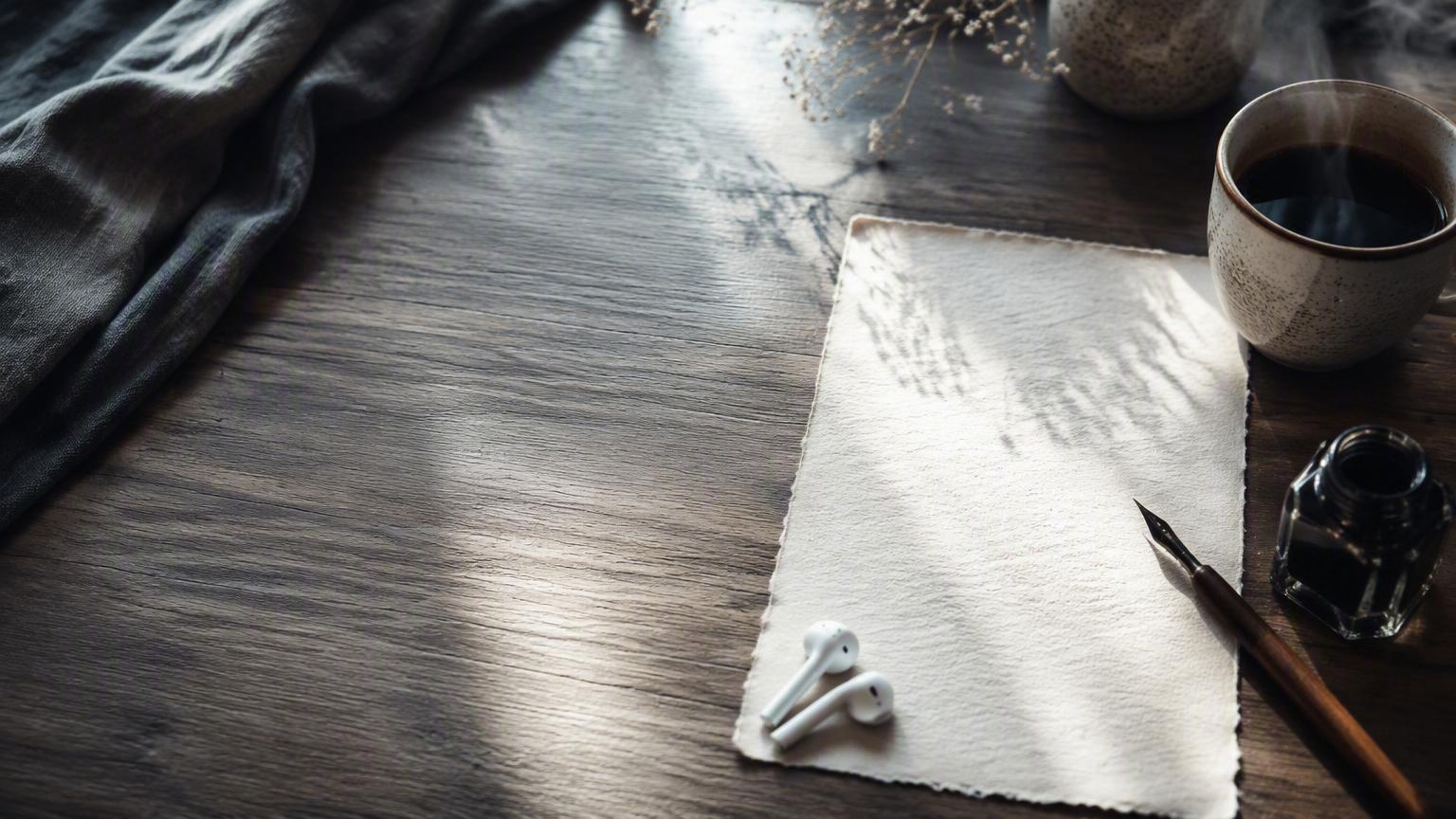
Tactile memory: the receiver holds the same paper the sender touched, creating a shared physical object.
Irreversible sincerity: crossed-out words and ink smudges reveal process; there is no backspace, only forward motion.
Surprise and ritual of waiting: the delay between sending and receiving builds anticipation that instant delivery cannot replicate.
Display as reminder: a letter on a nightstand or pinned to a board becomes a visible bid for connection in the shared environment.
Sensory specificity: the weight of the pen, the choice of stationery, and the pressure of handwriting carry information that fonts cannot.
Ink is a fingerprint of presence. No algorithm can replicate the tremor of a hand that paused to choose the next word.
The Handwritten Traditionalist
Evidence, Opinion, and When to Choose
Relationship research does not establish that digital and handwritten letters are equivalent. The Gottman Institute discussion of bids for connection concerns responsiveness, not a comparison of writing media. Our editorial view is that either format can feel meaningful when it is personal and timely; that is practical guidance, not a scientific conclusion.
Digital letters gain immediacy when voice and text meet in a repeatable ritual, whether drafted in a café or on a commute.
Choose digital when timing, distance, or multimedia layering matters most; choose handwritten when you want to create a single keepsake or mark a milestone. Many couples blend both: draft your thoughts in a digital letter to refine them, then copy the final lines onto paper for a birthday or anniversary. Meaning is co-created by the reader and the writer, not determined by ink or pixel. If you want to start tonight, create a digital gift that pairs voice with text and turns an ordinary evening into a bid for connection.