
Gift Ideas
Ask a Friend: How to Make a Romantic Surprise Feel Personal
A personal romantic surprise does not need a crowd. Ask one trusted friend for memory prompts, choose three details that feel true, then build a 2luv gift in your own voice.

A personal romantic surprise does not need a crowd. Ask one trusted friend for memory prompts, choose three details that feel true, then build a 2luv gift in your own voice.
A romantic surprise can look polished and still feel strangely generic. The flowers, the dinner, the card, the playlist: all of it may be nice, but none of it proves that the gift belongs to your relationship.
Personalized digital gift
Build a page with photos, message, music, and a ready-to-share link for someone you love.
That usually happens when the details are blurry. You know the person matters. You know you want the gift to feel personal. But when it is time to choose the photo, the song, or the message, your mind goes blank.
One simple fix is to ask one trusted friend for memory prompts. Not permission. Not a group vote. Just a few details you might have forgotten, so you can build a 2luv gift with photos, music, and a personal message that still sounds like you.
A good friend often remembers the tiny things that do not show up in a gift guide: the joke your partner still quotes, the photo from a normal afternoon, the song that played during a quiet ride home, or the habit that makes them feel known.
That does not mean the friend should write the gift. Their role is smaller and more useful. They can help you collect raw material. You decide what belongs in the final message.
Use a friend when you need:
If the friend starts turning it into a production, narrow the request. You are not planning a group performance. You are looking for details that help a one-to-one gift feel real.
The best friend-assisted surprise is discreet. Ask for prompts, not private screenshots. Ask for memories, not gossip. Ask for a helpful detail, not a verdict on the relationship.
Before you send the request, set these boundaries:
This filter keeps the surprise personal without making it invasive.
Copy this and adjust it:
I'm making a small personal digital gift for [name], and I want it to feel specific instead of generic. Could you send me three memory prompts?

1. One small moment they would probably smile at.
2. One photo, place, or song that feels connected to us.
3. One detail about them that I should not forget.

I only need prompts. I'll write the final message myself.
The last line matters. It makes the helper's role clear and keeps the gift from sounding like it was written by committee.
Once the friend replies, do not use everything. A strong 2luv gift feels focused. Pick three memories that have different jobs:
For example:
This gives your message shape. It also helps you choose the right photo and song without stuffing the gift with too many ideas.
Open 2luv when you already have your three memories. That keeps the create flow focused.
Use the first memory as the emotional opener. Add a photo that belongs to the same feeling, not necessarily the most perfect photo. Use the second memory to write a message that sounds specific: a place, a phrase, a habit, or a tiny scene. Add music if one song naturally fits the memory. Then close with the future-facing note.
The goal is not to prove that you planned the biggest surprise. It is to make the recipient recognize themselves inside the gift.
Primary CTA: Build a 2luv gift from three real memories
Secondary CTA: Start with a card format
Avoid these before you send the gift:
Keep it simple: one helper, three memories, your words, and a reveal that feels comfortable.
If the gift still feels vague, pause the design and go back to the memories. Ask: would they recognize this as ours? If the answer is yes, you have enough.
Build the 2luv gift from those three real memories, then add the photos, music, and message that make the surprise feel like it could only come from you.
 Relationship Advice
 Learn how to choose one shared photo, recall a vivid detail, and write a personal love note that transforms a simple image into a treasured keepsake.
Read highlight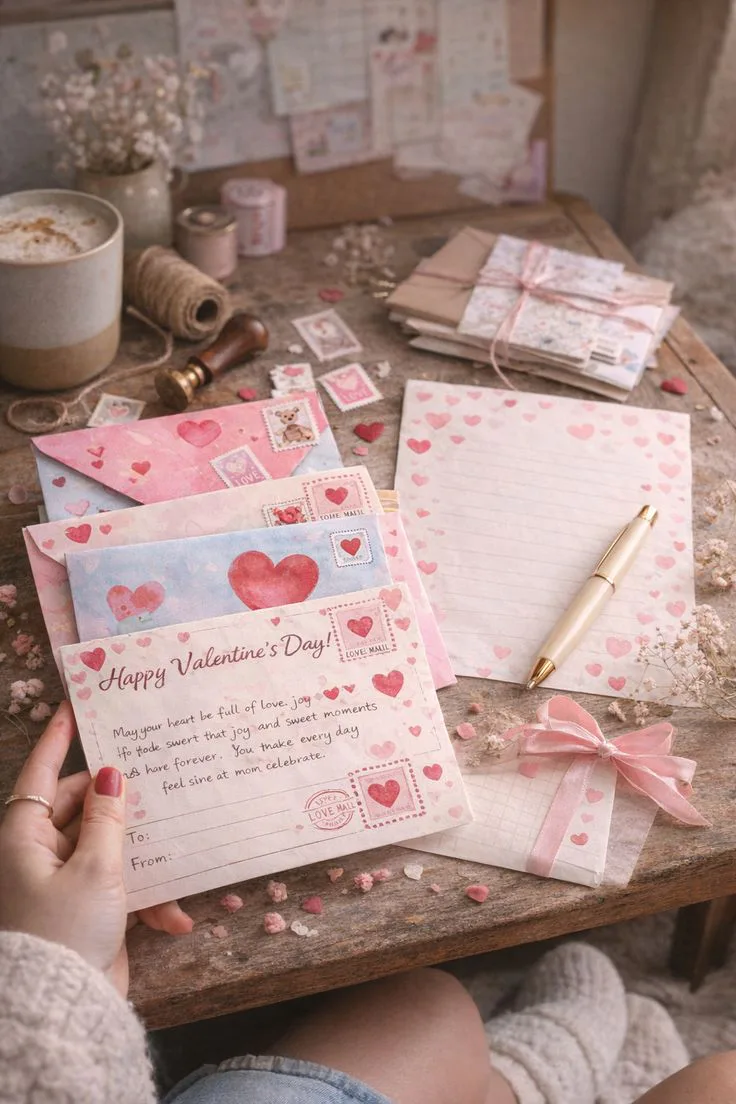 Special Occasions
 White Day is more than a return gift—it is a chance to answer love with intention. Inspired by handwritten letters, soft romantic details, and the quiet beauty of love that lasts, this guide helps you write a White Day message that feels sincere, memorable, and emotionally true.
Read highlight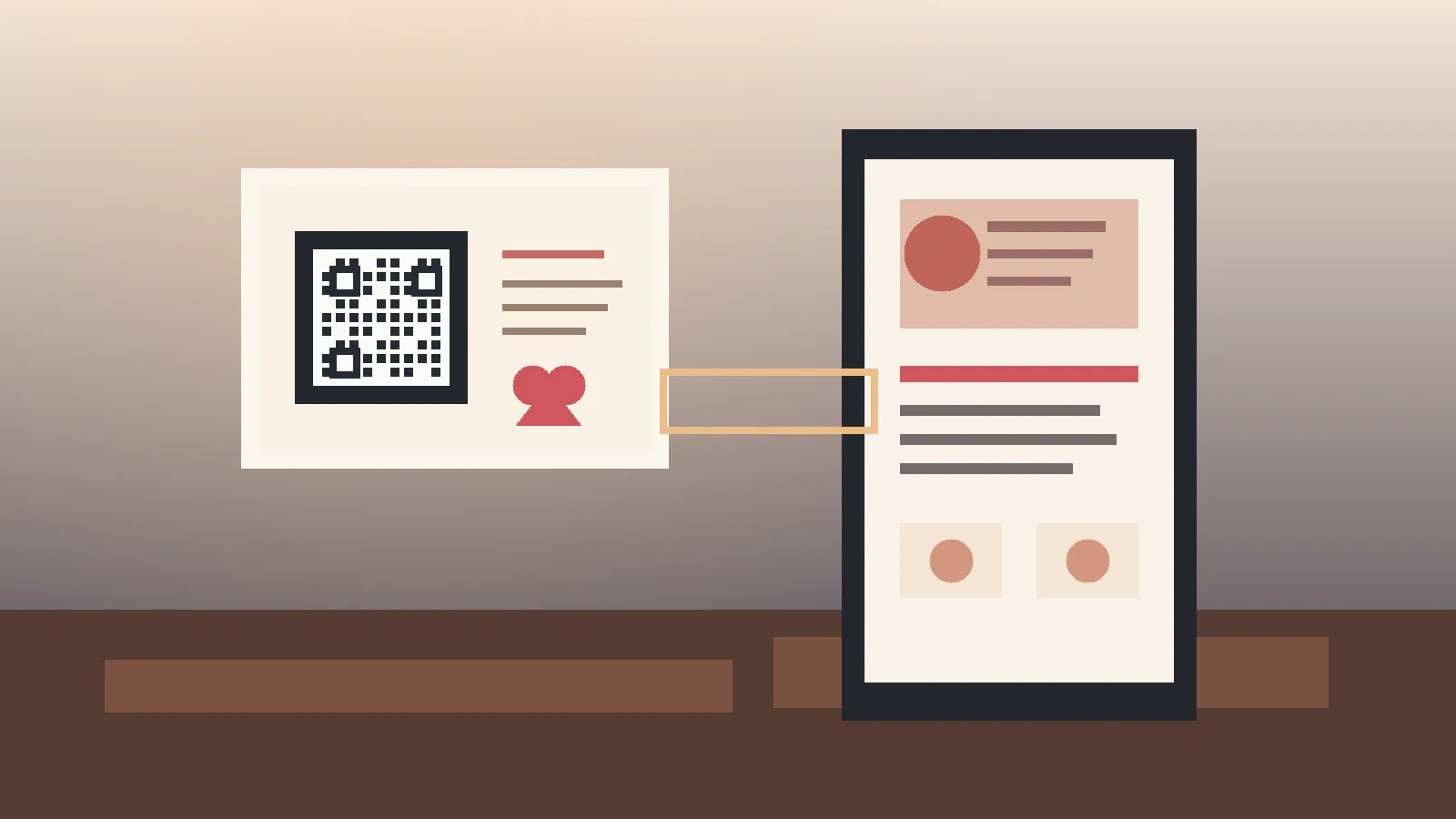 Digital Gifts
 Ten QR code gift ideas focused on what appears after the scan: a personal message, photos, music, and a reveal moment that fits the relationship.
Read highlight