Gift for Dad: What to Write When His Quiet Strength Helped You Survive Relationship Stress
Some fathers do not say much, but they teach emotional steadiness through presence, restraint, and care. If you are moving through heartbreak, relationship tension, or a season of self-doubt, this guide will help you write a meaningful 2luv message that thanks your dad for being the calm you learned from.
When Relationship Stress Makes You Miss the Safe Love You Grew Up With
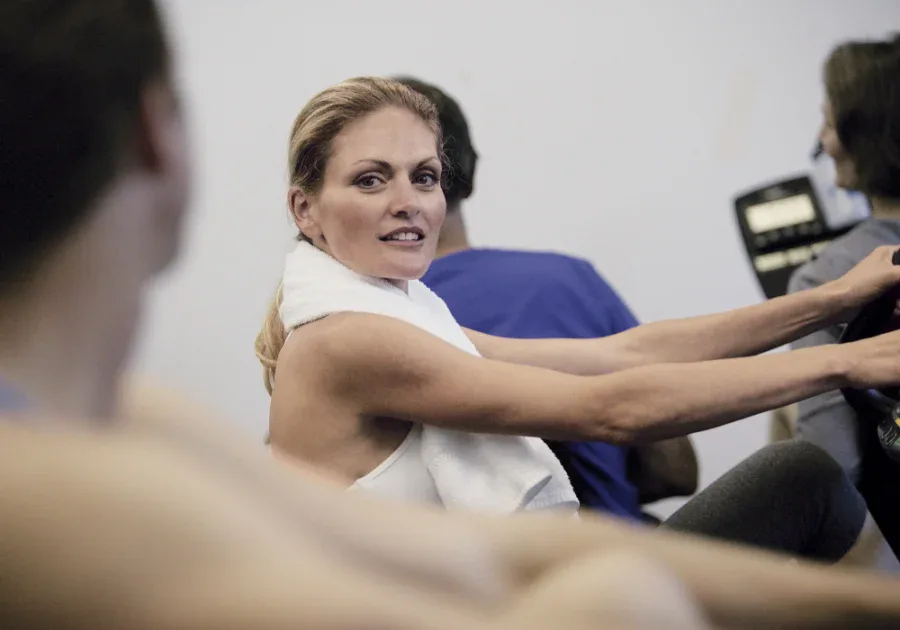
Sometimes the moment you most want to thank your dad is not a birthday dinner or a family holiday. It is the night after a difficult argument, the week after a breakup, or the season when you realize how much emotional steadiness matters. The images here carry that feeling: a young woman lost in thought, a face marked by calm maturity, and a couple caught in visible distress. Together, they tell a story about stress, reflection, and the deep human need for someone who taught us what steadiness looks like.
Personalized digital gift
Turn the inspiration from the post into an unforgettable surprise
Build a page with photos, message, music, and a ready-to-share link for someone you love.
That is why the strongest 2luv message for this visual mood fits a Gift for Dad. Not because the images show a father directly, but because they evoke the emotional inheritance many dads give quietly: how to stay grounded, how to pause before reacting, how to protect love from chaos, and how to be a safe place when life becomes overwhelming.
What These Images Reveal About Emotional Safety
The first image shows inwardness: the private ache of someone processing what has not yet been said. The third image shows what that inner strain can become when tension spills into a relationship. And the middle portrait offers a striking contrast: composure, softness, and the quiet confidence of someone who has learned how to remain emotionally present. In relational psychology, this contrast matters. People do not only need passion or compatibility. They need regulation, safety, and trust.
Many adults only understand later that a loving father did more than provide or protect. He may have modeled how to handle stress without humiliation, how to show up without demanding attention, or how to care without making love feel conditional. When romantic relationships become difficult, those early lessons often return with new meaning.
What Research Says About Calm, Connection, and Emotional Repair
Relationship researcher Dr. John Gottman has spent decades studying why couples succeed or fail, and one of his clearest findings is that emotional regulation and repair matter enormously. Couples do not stay strong because they never fight. They stay strong because they know how to de-escalate, turn toward each other, and repair after hurt. If your dad taught you patience, restraint, accountability, or consistency, he may have shaped the very skills that protect adult love from collapse.
What can make a marriage work over time is the determination to cherish one another and to express that cherishing.
John Gottman and Nan Silver, in "The Seven Principles for Making Marriage Work"
The calm expression in this portrait evokes the kind of grounded maturity and reassurance many people associate with a parent who made emotional safety feel possible.
Attachment research also helps explain why gratitude toward a father can be part of self-love and healing. Psychologist Sue Johnson, a leading voice in emotionally focused therapy, argues that human beings are wired for connection and reassurance. When someone in childhood offered reliable care, that experience often becomes part of our internal map for what love feels like. Thanking your dad is not only about looking backward. It is also about recognizing the emotional blueprint that still supports you now.
We are never so vulnerable as when we love.
Sigmund Freud, in "Civilization and Its Discontents"
Brené Brown’s work on vulnerability and belonging also speaks powerfully here. Many people were raised to think strength means silence, emotional distance, or control. But Brown’s research-centered writing has helped popularize a healthier truth: real courage includes emotional honesty. If your father showed care through dependable presence, honest effort, or quiet support, then your message can honor a form of masculinity that makes healing possible rather than harder.
Love is an act of will—namely, both an intention and an action.
bell hooks, in "All About Love"
Why a Gift for Dad Belongs in a Self-Love and Care Story
Self-love is not always solitary. Sometimes it looks like identifying the people who gave you emotional resources before you knew you would need them. If your dad helped you understand boundaries, patience, accountability, or calm under pressure, then thanking him can be a deeply restorative act. It turns vague appreciation into language. And language matters. What remains unspoken often remains under-felt.
A 2luv digital gift is especially powerful for this kind of message because it allows tenderness without forcing a big public moment. You can send a note that is intimate, specific, and lasting. Add a photo, a memory, or a simple line about what his steadiness taught you. For many dads, that kind of message becomes a keepsake precisely because it names something they hoped you felt but may never have heard out loud.
What to Write in Your 2luv Gift for Dad
This tense bedroom scene reflects how conflict can leave people overwhelmed and longing for the kind of emotional steadiness they may have first learned at home.
Start with a real moment: a hard week, a breakup, a stressful season, or a conflict that made you think of him.
Name the trait you learned from him: calm, patience, loyalty, restraint, kindness, or emotional steadiness.
Be specific about impact: explain how his example still helps you in your adult relationships.
Say what you may not say often enough: thank you, I see it now, I carry this with me, I am more secure because of you.
End with warmth: appreciation, love, or a promise to remember what he taught you.
Copy, personalize, and send these in a 2luv digital gift for dad.
Dad, life has felt emotionally heavy lately, and it made me realize how much I learned from your quiet way of loving. You taught me that strength does not need to be loud to be real. Thank you for being the kind of person who made steadiness feel possible.
I did not fully understand it when I was younger, but I do now: the way you stayed calm, showed up, and kept caring was its own kind of wisdom. In difficult moments, I find myself reaching for the same steadiness. Thank you for giving me that example.
Dad, when relationships feel complicated, I think about the kind of love you modeled: patient, dependable, and never careless with someone else’s heart. That has shaped me more than I can say. I just want you to know I see it, and I am grateful.
Thank you for teaching me that love is not only in big speeches. It is in consistency, in showing up, in staying kind when things are hard. Those lessons have protected me more than you know.
Some of the best parts of how I love came from being loved by you. Your example taught me to value respect, emotional safety, and calm. Thank you for being a father whose strength made room for gentleness too.
If Your Relationship Life Feels Heavy Right Now, Start With Gratitude
Not every healing step begins with fixing the relationship that hurts. Sometimes it begins by remembering the relationship that helped form you. The images in this set move from worry to maturity to visible conflict. But underneath them is another story: the search for emotional safety. If your dad helped build that safety in you, then a heartfelt message is more than a nice gesture. It is a way of naming the love that steadied your life and still supports your becoming.
A 2luv Gift for Dad can hold that truth beautifully. Keep it simple, honest, and specific. The best messages do not try to sound perfect. They sound real. And often, what fathers remember most is not a polished sentence, but the moment their child finally says: I see what your love gave me.
Gallery
A quiet moment of reflection captures the inner pause many people feel when relationship stress forces them to face what they need emotionally.The calm expression in this portrait evokes the kind of grounded maturity and reassurance many people associate with a parent who made emotional safety feel possible.This tense bedroom scene reflects how conflict can leave people overwhelmed and longing for the kind of emotional steadiness they may have first learned at home.
Explore more on 2luv
Keep browsing related 2luv pages for events, categories, and tags connected to this story.