When Fighting, Flirting, and Forcing Love Hurt: How to Write an Anniversary Message That Rebuilds Trust
Some relationship problems do not begin with betrayal in the dramatic sense. They begin with repeated arguments, blurred boundaries, and the quiet feeling that love is becoming effort instead of refuge. This guide uses real relationship research to help couples reflect, reconnect, and write an Anniversary Gift message that feels honest, healing, and deeply personal.
When Love Feels Heavy: What an Anniversary Can Reveal
There is a particular kind of relationship pain that does not arrive all at once. It shows up in small arguments that never fully resolve. In conversations that feel a little too intimate with someone outside the relationship. In the sinking suspicion that you are trying harder to keep the relationship alive than you are enjoying being in it. Anniversaries often bring these truths to the surface. A date meant for celebration can become a mirror: Are we still choosing each other well?
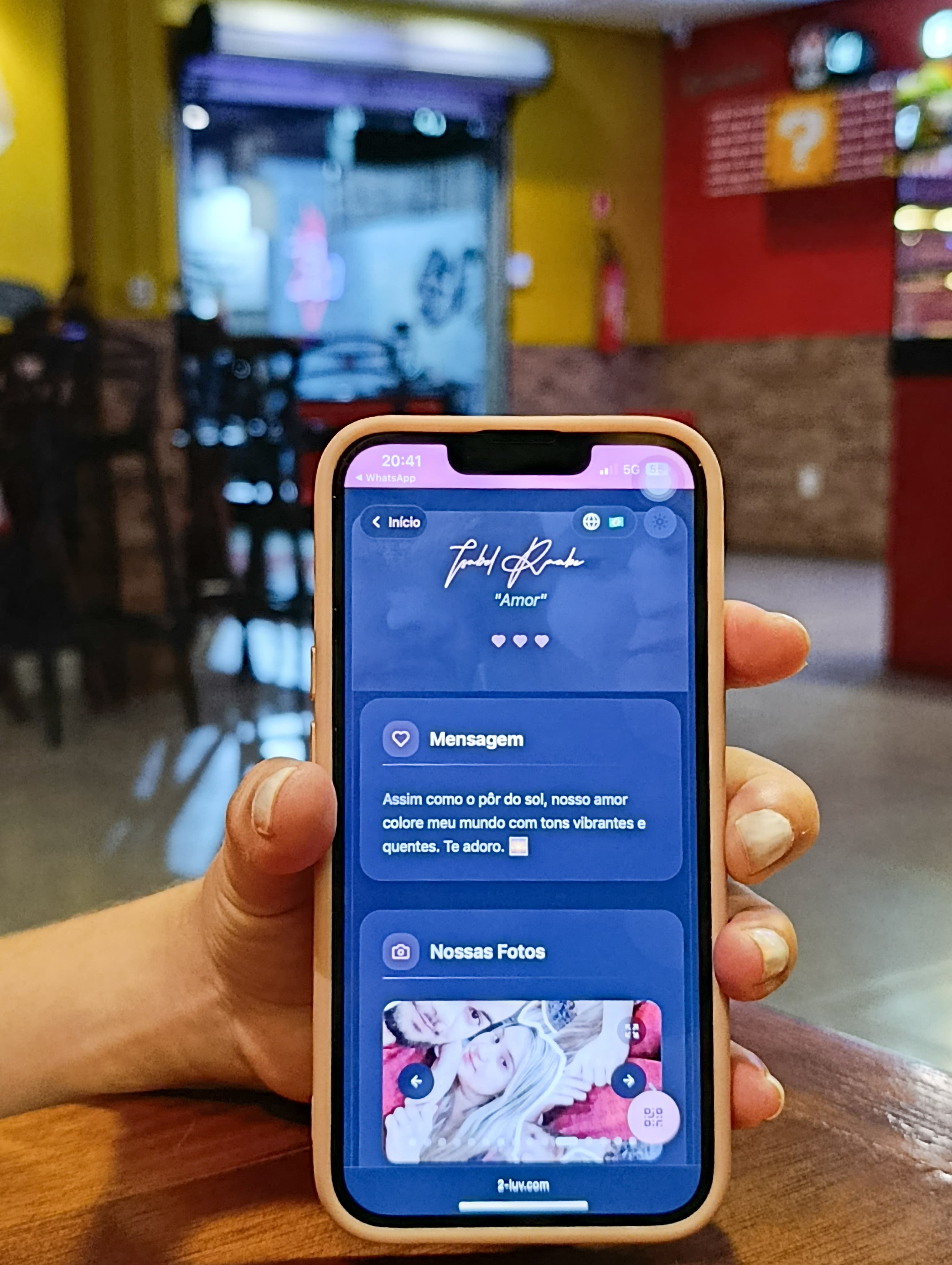
Personalized digital gift
Turn the inspiration from the post into an unforgettable surprise
Build a page with photos, message, music, and a ready-to-share link for someone you love.
The images here tell that story in sequence. First, warmth and closeness: two people sharing a soft, unguarded moment. Then tension: one partner speaking, the other withdrawing. Finally, emotional exhaustion: a couple sitting in silence, trying to make sense of what love has become. Together, they evoke a relationship at a crossroads, which makes Anniversary Gift the most fitting 2luv occasion—not because everything is perfect, but because anniversaries are powerful moments to repair, recommit, and tell the truth with tenderness.
What These Images Say About Modern Relationship Strain
The first image captures the kind of intimacy couples want to protect: shared attention, relaxed body language, private joy. This is the emotional home base of a healthy bond. The second image shifts into a familiar dynamic from distressed relationships: one person pursues, explains, or defends, while the other shuts down, turns away, or retreats emotionally. The third image shows what can happen when this pattern goes on too long—fatigue, sadness, and the fear that love has become something to manage rather than something that nourishes.
These scenes connect to three painful questions many couples avoid asking until a special occasion forces reflection: Are our boundaries with other people still respectful? Are we fighting in ways that damage trust? And are we staying together out of love, or out of fear, habit, or guilt? A meaningful anniversary message does not need to answer every question. But it can open the door to honesty, accountability, and repair.
What Relationship Research Says About Conflict, Distance, and Repair
One of the most influential relationship researchers, Dr. John Gottman, found that conflict itself is not the strongest predictor of breakup. Rather, the way couples handle conflict matters more. His work highlights destructive patterns such as criticism, contempt, defensiveness, and stonewalling, often called the "Four Horsemen." Couples who learn to replace attack with complaint, contempt with appreciation, and withdrawal with self-soothing and re-engagement are far more likely to repair after hurt.
Conflict is the price we pay for a deeper intimacy.
Esther Perel, in "Relationship teachings and public talks on intimacy and erotic intelligence"
Esther Perel's work is especially helpful when couples are wrestling with emotional infidelity or "innocent" flirting. She has written and spoken extensively about how betrayal is not only sexual; it is also about secrecy, emotional energy, and the redirection of intimacy. Many partners are less devastated by a single message than by the realization that vulnerability, attention, and anticipation were being invested elsewhere. In that sense, emotional affairs often begin long before anyone uses that label.
Love is not something natural. Rather it requires discipline, concentration, patience, faith, and the overcoming of narcissism.
Erich Fromm, in "The Art of Loving (1956)"
Erich Fromm's classic insight matters when a relationship starts to feel forced. Sometimes what feels "forced" is actually the normal labor of love: listening when tired, choosing honesty over ego, repairing after disappointment. But sometimes the feeling of strain is a signal that the couple has drifted out of mutuality. The difference is important. Healthy effort creates more connection over time. Unhealthy forcing creates more depletion, resentment, or loneliness.
Conflict is not always the end of love, but recurring arguments without repair can leave one partner feeling unheard and emotionally alone.
Vulnerability is the birthplace of love, belonging, joy, courage, empathy, and creativity.
Brené Brown, in "Daring Greatly (2012)"
Brené Brown's work helps explain why so many couples stay stuck. People often protect themselves with anger, silence, minimization, or rationalization because vulnerability feels dangerous. Yet repair rarely begins with a polished speech. It begins with a sentence like: "I have been distant." "I have not protected our boundaries well." "I know our fights have worn you down." "I miss us." These statements are emotionally risky, which is precisely why they can be transformative.
So Is 'Innocent' Flirting Really a Problem?
Not every playful interaction is betrayal. But when flirting becomes secretive, emotionally charged, repetitive, or more exciting than the attention given to a partner, it can cross a line. A useful question is not only "Did I technically cheat?" but "Would my partner feel safe, respected, and included if they knew the full context?" Trust is not built by technical innocence. It is built by transparent loyalty.
You hide messages or delete chats because you know they would upset your partner.
You share private frustrations about your relationship with someone you are attracted to.
You look forward to that person's attention more than your partner's.
You justify the connection by saying "nothing happened" while your emotional investment keeps growing.
You become defensive instead of honest when your partner raises a concern.
How Often Do Couples Fight—And When Is It Too Much?
Healthy couples disagree. Frequency alone does not tell the whole story. What matters is whether conflict leads to understanding or whether it becomes a recurring injury. If arguments leave one or both partners feeling belittled, chronically unsafe, ignored, or emotionally abandoned, the issue is not simply how often you fight. It is that your fights are eroding the foundation of trust.
Pause before escalation. Physiological flooding makes productive conversation much harder; take a short break and agree to return.
Describe behavior, not character. Say "When that happened, I felt dismissed" instead of "You never care."
Name the real need beneath the fight: reassurance, transparency, rest, respect, affection, or partnership.
Offer a repair attempt early. A small sentence like "Let me start over" can interrupt a damaging spiral.
End with one concrete next step instead of vague promises to do better.
When It Feels Like You Are Forcing the Relationship
Many people confuse devotion with endurance. But staying and suffering are not the same as loving well. If every conversation feels performative, if affection feels obligated, or if one person is carrying the entire emotional weight of the bond, an anniversary can become an important checkpoint. Not every relationship should be prolonged at all costs. Still, if there is mutual care, accountability, and willingness to grow, this moment can also mark a reset.
Why an Anniversary Message Can Help Rebuild Connection
When love starts to feel heavy, couples often need honesty more than perfection: a pause, a conversation, and words that name what hurts.
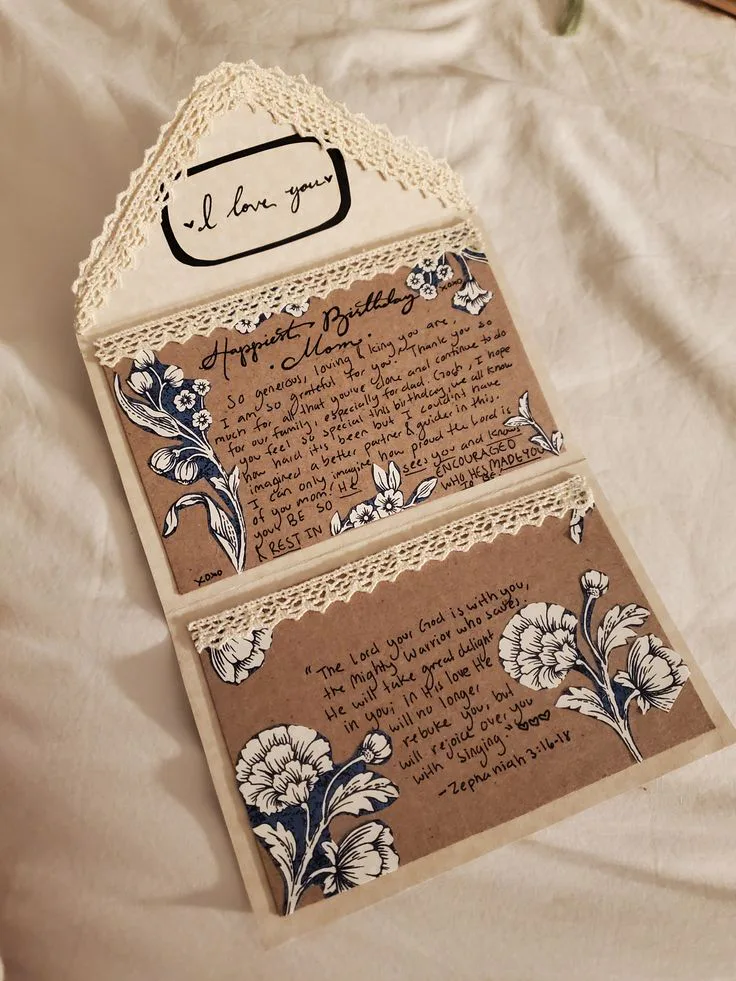
A spoken apology can become defensive. A live conversation can get derailed. But a written anniversary message gives you room to slow down, be specific, and say what actually matters. For couples in a fragile season, writing can be a powerful act of emotional clarity. It allows you to acknowledge the good, name the hurt, and express a forward-looking promise without interruption or panic.
On 2luv, an Anniversary Gift can become more than a sweet note. It can be a carefully crafted digital keepsake: a message, memory, promise, and emotional turning point. If your relationship has been marked by arguments, questionable boundaries, or the fear that you are drifting apart, the most meaningful gift may be language that is honest enough to heal.
What to Write in an Anniversary Card After Conflict or Distance
The strongest messages usually include five elements: appreciation, honesty, accountability, emotional truth, and intention. Do not over-explain. Do not defend yourself in every sentence. And do not promise a fantasy. Promise what can be practiced: clearer boundaries, gentler conflict, more presence, more listening, and more care.
Copy-ready anniversary messages for 2luv users who want to reconnect, apologize, or recommit.
Happy anniversary, my love. This year has not been perfect, and I do not want to hide behind pretty words. I know we have had moments of distance and pain, but I also know that what we share matters deeply to me. Thank you for the love you have continued to offer even when things felt heavy. I want to keep choosing us with more honesty, patience, and care.
Happy anniversary. I have been reflecting on us, and I know that some of our recent arguments have left wounds between us. I am sorry for the ways I have contributed to that pain. You deserve to feel heard, respected, and emotionally safe with me. My hope for this next chapter is not perfection, but better communication, softer moments, and a love that feels like home again.
On our anniversary, I want to say something simple and true: I miss the ease between us, and I am willing to do the work to find it again. I love you not only for our happiest memories, but for the person you are in hard seasons too. Thank you for staying in the conversation. I want to meet you there with more openness and tenderness.
Happy anniversary to the person who still matters to me in the deepest way. If I have let distraction, defensiveness, or emotional distance come between us, I am truly sorry. I never want you to wonder where you stand with me. You are my partner, and I want to protect what we have with clearer boundaries, deeper honesty, and more intentional love.
This anniversary feels important because it reminds me that love is not only celebration, but commitment. I cannot undo every hurt with one message, but I can tell you this truth: I see where we have struggled, and I do not want to keep repeating those patterns. I want to love you more consciously, listen more carefully, and rebuild trust one honest day at a time.
A Simple Structure for Your Own 2luv Message
Start with gratitude: name one thing you genuinely appreciate about your partner.
Acknowledge reality: mention the hard season without minimizing it.
Take responsibility for your part with one clear sentence.
State what your partner deserves to feel in the relationship.
End with one believable promise for the next chapter.
Conclusion: Celebrate the Love, Tell the Truth
The most moving anniversary gifts are not always the most glamorous ones. Sometimes they are the most honest. If your relationship has been touched by conflict, blurred boundaries, or the exhausting feeling of forcing what should feel mutual, this is your chance to speak with maturity and heart. Let the anniversary mark not just another year together, but a more conscious way of loving.
Use 2luv to turn that truth into something lasting: a digital anniversary gift that says, clearly and courageously, I see us, I value us, and I want to love you better.
Explore more on 2luv
Keep browsing related 2luv pages for events, categories, and tags connected to this story.